What happened
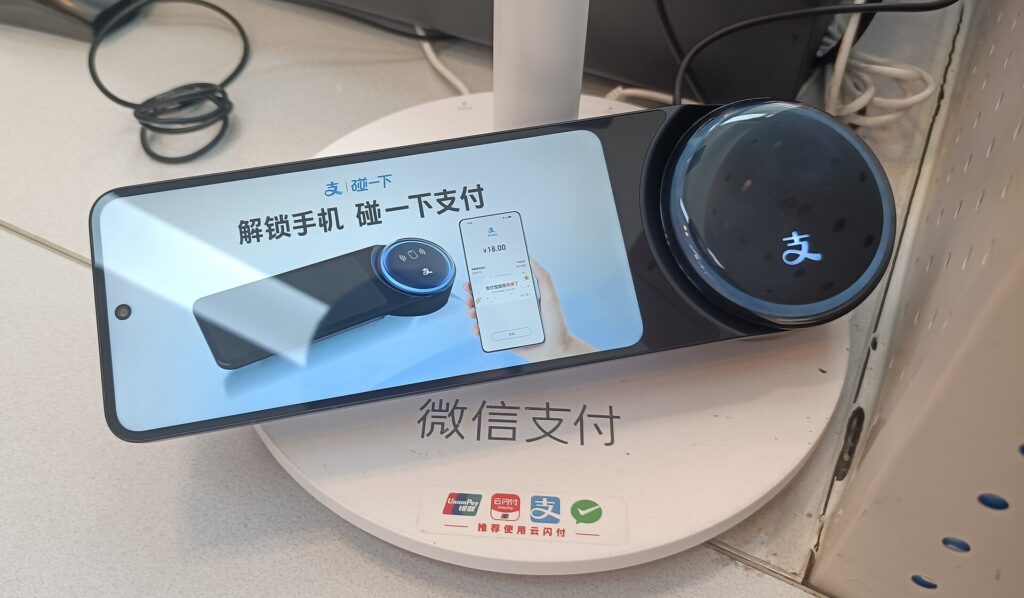
Merchants using Chongqing Kunpeng Payment (重庆鲲鹏支付) POS terminals began reporting in late October that card payments marked as successful were not reaching their bank accounts. The acquirer admitted the payment settlement delays on November 4, blamed weaknesses in its clearing schedule, payout chain and risk controls, and said on November 7 that it would settle genuine, lawful trades from November 9. A special working group set up by the authorities is supervising a trade-by-trade review, according to the 21st Century Business Herald.
Yicai reported on the evening of November 9 that most merchants posting on social media still had not been paid, though some said they had received funds for October 27 and 28. One merchant told the paper he had been waiting 12 days. An industry source told Yicai that scattered delays had appeared as early as late August, and a complaint platform has logged thousands of complaints about Kunpeng since the start of November. Wang Pengbo (王蓬博) of Botong Analysis told Yicai that the “genuine, lawful” condition leaves payouts on credit card cash-out and fake-merchant trades uncertain; some complaints describe users swiping their own cards and waiting for the cash.
The background and numbers
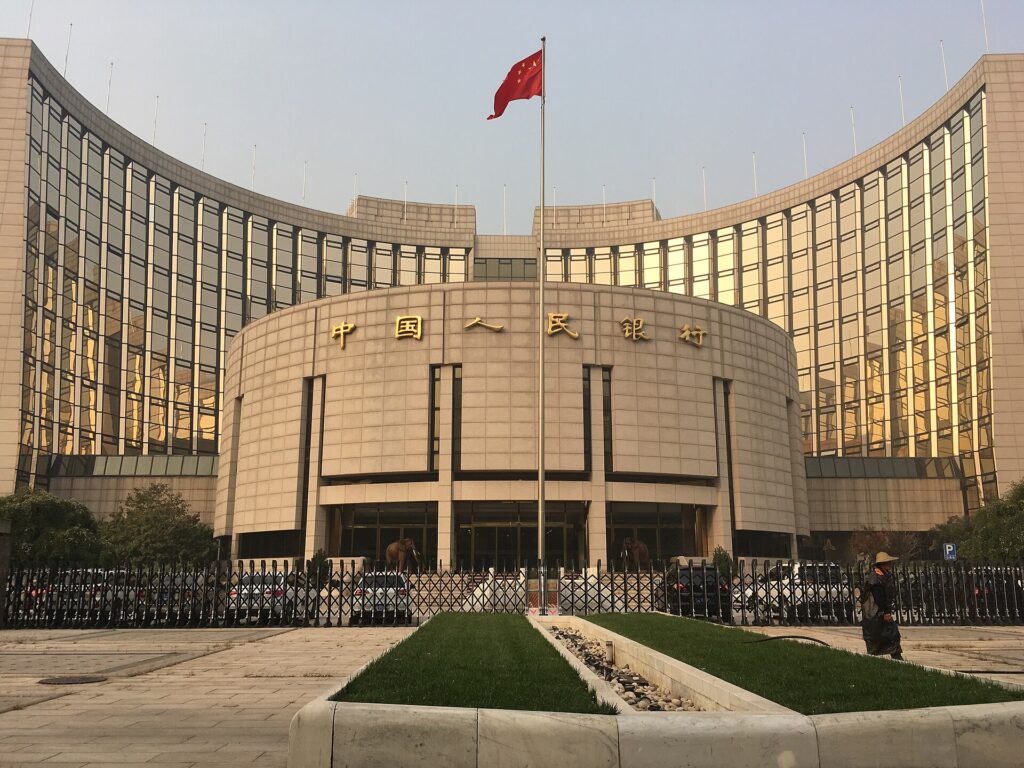
Kunpeng, formerly Qianbao, has held a payment licence since 2011 and serves mostly small merchants. The People’s Bank of China (PBOC) Chongqing branch fined it 470,000 yuan in July 2025 for missed suspicious-transaction reports, and in March 2026 imposed penalties of 9.1435 million yuan for 11 violations, including failures in merchant due diligence and ongoing merchant risk monitoring. Across the industry, PBOC branches issued more than 40 penalty notices to licensed payment firms in the first three quarters of 2026, with fines and confiscations above 350 million yuan, Securities Daily reported. The largest, 74.45 million yuan, went to Shanghai Hanyin (上海瀚银) for clearing and merchant management breaches.
The client money itself sits at the central bank. Payment firms have placed 100% of client reserves with the PBOC since 2019, and the PBOC balance sheet showed 2.73 trillion yuan of such deposits at the end of September, Paynews (支付产业网) noted. That arrangement fixes where the money is held. It says nothing about whose money it is, when each merchant should be paid, or where it finally goes. Yicai added that the instant “T+0” payouts most acquirers offer are in effect an advance by the acquirer, recovered after next-day clearing, which ties up the firm’s own liquidity.
- 2.73 trillion yuan: client reserves deposited at the PBOC, end-September 2026
- 40+ penalty notices and over 350 million yuan in fines and confiscations, January to September 2026
- 9.1435 million yuan: Kunpeng’s March 2026 penalties for 11 violations
- 47 data tables in the PBOC’s new off-site supervision interface
What it means and what to watch
In February the PBOC general office issued version 2.0 of the data interface standard for its off-site supervision system for non-bank payment institutions, with 47 tables that supervisors can collect, Paynews reported on November 10. Firms report daily ledgers by business line and by client sub-account, along with inflows, outflows and adjustments, while clearing houses report account balances. UnionPay and NetsUnion calculate a monthly match rate between acquiring volume and money settled to merchants, and funds that pass through internal transit accounts must be reported against the real payee account.
Industry sources told Paynews that a pilot group is already connected, that firms which recently renewed their licences form the first batch, and that every payment firm is expected to connect by December. The outlet cautioned that the system produces leads on anomalies for follow-up and does not trace each trade in real time; a low match rate can also come from refunds, fees or split settlement. Points to watch are how fast Kunpeng clears verified trades, how it treats trades it judges to be cash-out activity, and whether the PBOC Chongqing branch takes further action.
Why it matters: Full central deposit of client reserves did not stop merchants waiting days for their money, because the failure sat in Kunpeng’s own clearing and advance-payment chain. A system that ties each settlement to a trade and a real payee gives supervisors an earlier warning of that kind of strain. Smaller acquirers with thin liquidity and long agent networks will feel the reporting load first, and the December connection deadline puts that test into this quarter.
Sources: 第一财经 / Yicai, November 9, 2026; 21世纪经济报道 / 21st Century Business Herald, November 8, 2026; 支付产业网 / Paynews, November 10, 2026; 证券日报 / Securities Daily, via 中国金融信息网 Xinhua Finance, October 14, 2026 (Chinese-language sources, translated)